SAHR Centenary Conference and Templer Prize-Giving Ceremony
Wednesday 22nd September 2021
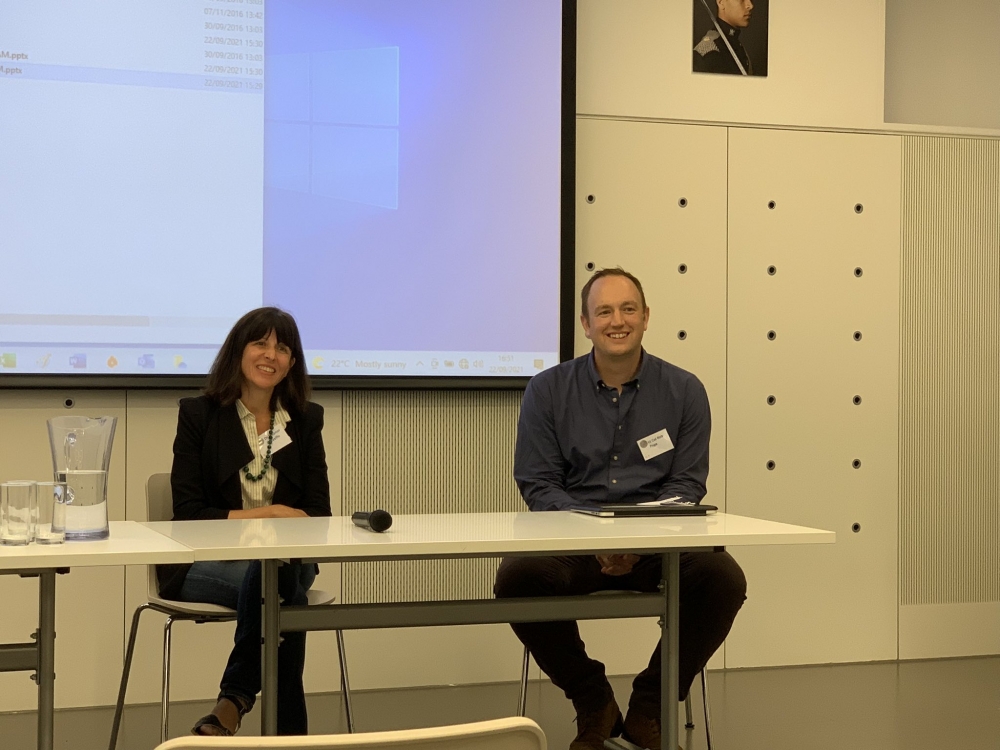
After the first half of our planned Centenary research conference was transferred to a virtual format in April and May due to the pandemic, it was wonderful to be able to stage the second half in person at the National Army Museum on 22 September 2021. Quite apart from two excellent keynote papers and four varied discussion panels, members greatly enjoyed the chance to meet face to face for the first time since our last live event back in February 2020.
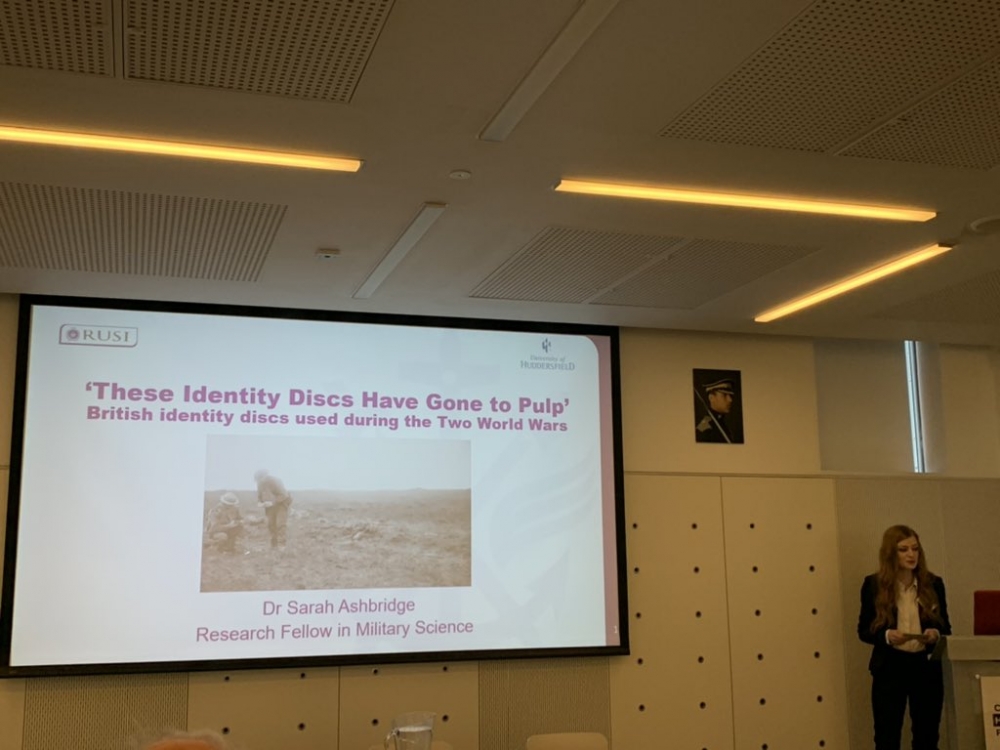
Proceedings were opened by Dr Sarah Ashbridge of RUSI, whose paper used the evolution of identity disks from the nineteenth century to present day to track changing attitudes to the fallen and missing in battle. Dr Ashbridge's paper drew on material from her recent PhD, which was supported in part by an SAHR University Research Grant.
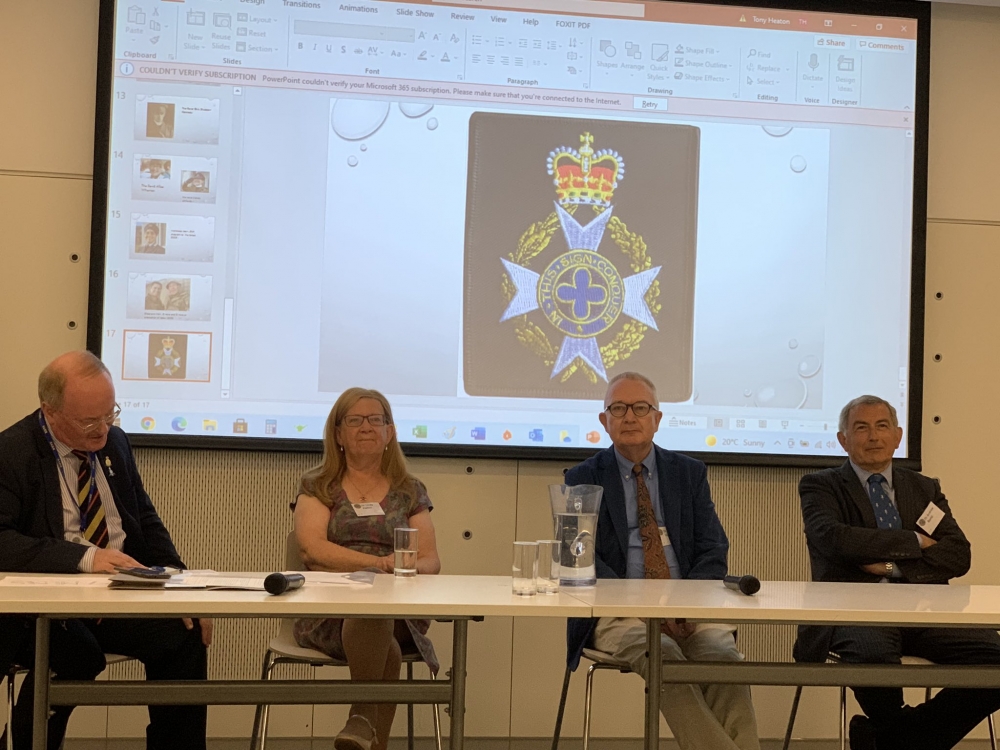
Following the opening keynote, participants attended one of two parallel panels. The first looked at aspects of health and welfare, with topics ranging from medical care during Wellesley's Indian campaigns to the development of facial reconstructive surgery during and after the Great War and the evolution of the role of the Army Chaplains' Department during the twentieth century. Alternatively, the second panel looked at war and religion in the sixteenth and seventeenth centuries. It considered English involvement in the French Wars of Religion, Catholic soldiers sent into the Hapsburg service after the 1688 Revolution, and the role of continental military doctrine in shaping the course of the 1685 Sedgemoor campaign.
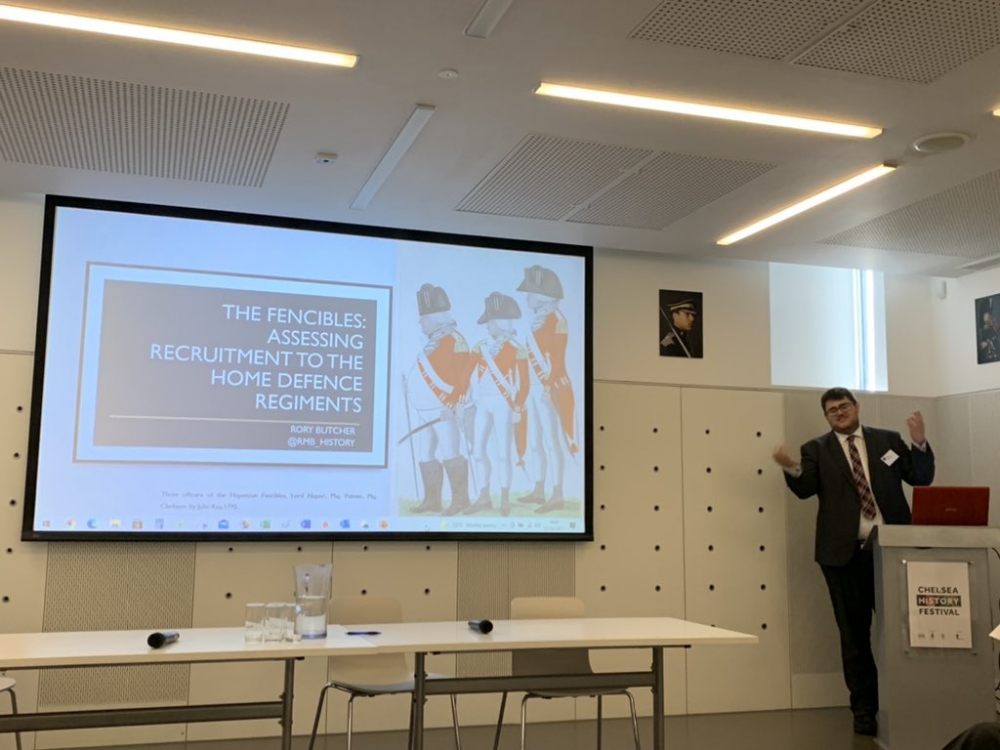
After lunch, all attendees were able to reconvene in the same venue for the remaining two panels of the day. The first of these addressed aspects of soldiering in the eighteenth century, with papers on the 1793 Battle of Lincelles, the recruitment of the Fencible regiments during the French Revolutionary War, and the Irish Military Establishment during the eighteenth century. Andrew Dorman, who gave the last of these papers, was the first of two speakers to present his paper virtually, sadly being unable to travel from the Republic of Ireland due to the ongoing pandemic.
The final panel of the day dealt with remembering and commemorating the Great War, with Dr Eleanor O'Keeffe talking about the evolution of the regimental club in interwar Glasgow and Lt Col Rob Page mixing history with sociology to address the thinking behind the Centenary commemorations of 2014-2018 and the lessons that might be drawn for future Centenary commemorations. This panel nicely set the scene for our closing keynote, delivered by Dr Patrick Watt who joined us virtually from his home in Istanbul. Dr Watt was the recipient of our Centenary Research Grant to support his study of the evolution of military museums and his paper took as its case study the Scottish National Naval and Military Museum, whose history and collection policy he traced from the time of its conception during the Great War through to the aftermath of the twentieth century's second major conflict.
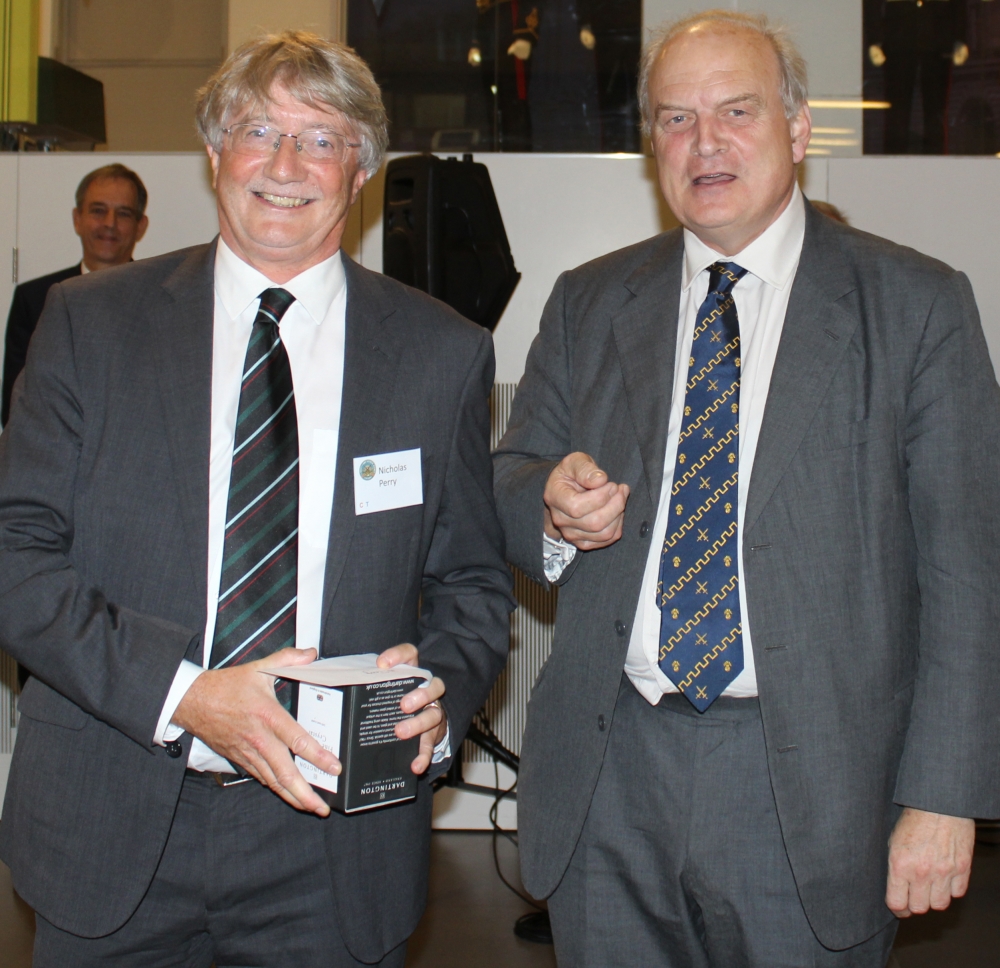
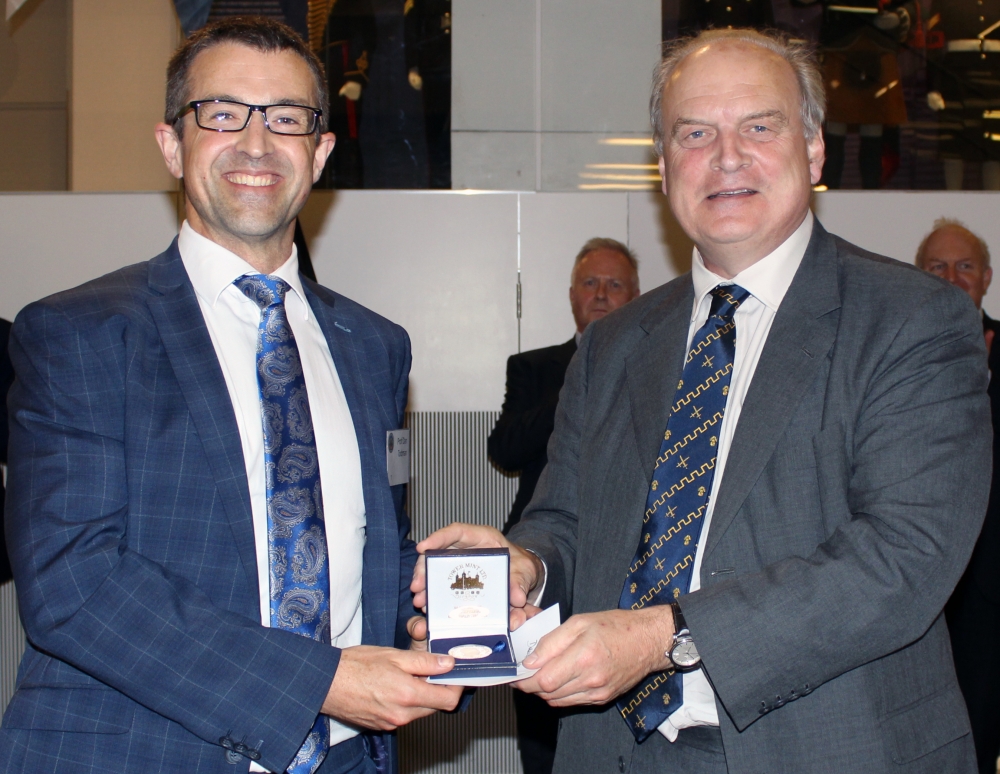
Following the conclusion of the Research Conference, many of those attending remained at NAM for the evening's drinks reception to recognise the prizewinners of the Templer Medal and its associated Best First Book Prize.
Sadly, it did not prove possible for our four North American speakers to join us at the event due to travel restrictions and the difficulties presented by conflicting timezones. For that reason, we will be resurrecting the online format from our Spring sessions for one final event on Wednesday 13 October, details of which can be found at: https://my.demio.com/ref/Zi7tn9Sz3eyZfLxj
Photo credit: Louise Bell